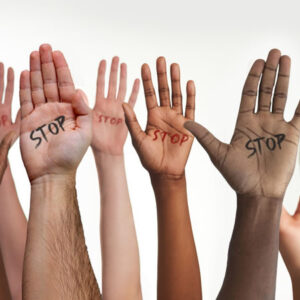
Experiencing abuse in childhood or adolescence can lead to significant challenges in later life. Regardless of whether the survivor witnessed abuse against others or was the direct subject of abuse themselves. These later challenges can vary be hugely varied and are often not obviously linked to a history of abuse when presented.
Therapists, therefore, undoubtedly face significant challenges in providing tailored, high-impact support to these adult survivors.
Work is needed to understand the range and impacts of abuse in early life. Ways to tackle adult presentations whilst addressing earlier experiences of abuse must be shared. Additional needs of survivors engaged in the criminal justice system must be accounted for. And the voices of survivors must be heard to help inform services.
This conference is a vital tool for therapists to improve practice and outcomes in these areas and more. Experts share their knowledge on real needs and experiences of survivors. Discussions explore practical lessons and ways of working in therapy.
Session One: The science and anthropology of abuse
Speaker: Dr Anna Machin
In this introductory session, Dr Anna Machin explores the science and anthropology of abusive love. As humans what sets us apart from the other animals when it comes to love is that we are the only species who uses love as a mechanism for control, manipulation and abuse.
- Why do we crave love so intensely that it can be used to exploit us?
- What is the neuroscientific explanation for the cycle of abuse which crosses generations?
- Why do some people possess armour plated genes which mean that they dodge the most severe effects of a neglectful or abusive childhood?
- We all know the negative aspects of jealousy but when it gets out of hand and becomes abuse why are the perpetrators more likely to have dark triad personalities?
- And can there ever be a place for love in abusive relationships?
Using the latest scientific research and first-person accounts, Dr Machin explores the side of love that we most often like to ignore, love as control.
Session Two: Learning from survivors’ lived experience to inform Psychosexual and Relationship Therapy
Speaker: Maxine Leigh
In this session Maxine Leigh shares insight into what is needed for survivors of abuse from therapists and wider support networks. Maxine’s personal experiences are drawn upon, as well as experience gained from helping others who experienced abuse. Key issues addressed include:
- How can a therapist best support a survivor of childhood abuse?
- What specific knowledge or signs do therapists need to look for within therapy?
- How can therapists build a meaningful therapeutic relationship that the survivor feels safe in?
The session is based on an appreciation that intimate relationships can be difficult for survivors of abuse. Those who experienced abuse often do not want to be touched. They may have significant trust issues. Perceptions around relationships may be distorted. And attachment issues may be experienced. By using real life experience and examples, Maxine helps therapists gain a valuable insight into a survivor’s lived in experience.
Session Three: Using trauma-informed practice to support survivors of sexual abuse
Speaker: Lucy Duckworth
Session three explores how a trauma-informed approach to therapy can help improve outcomes for survivors of sexual abuse. Delegates are guided through how abuse and sexual violence during childhood and adolescence can break down trust. And how that can lead to fear and suspicion being projected onto all people around the survivor, including the therapist – with significant consequences for therapeutic practice and outcomes. Key issues addressed include:
- Strategies to rebuild trust
- Identifying disassociation as a result of past sexual abuse
- Creating boundaries for Psychosexual and Relationship Therapy with abuse survivors
Session Four: Supporting survivors through the criminal justice system
Speaker: Duncan Craig
Session four examines the issues that therapists may face when working with survivors who are engaged in the criminal justice system. This often leads to a sense of conflict between the needs of the Service User and the restrictions of the system. Key issues addressed include:
- How to work with presenting issues whilst ensuring that nothing done in therapy negatively impacts Service User ‘justice’?
- Ways to avoid closing Service Users down
- Approaches to note taking that can protect the sanctity of therapy without failing Service Users
Delegates learn the court process of a victim/survivor, identifying key trigger points. Useful ideas in therapy note taking with clients engaged in this process are explored. And the law surrounding therapists’ responsibilities within the protection of victim notes are detailed.
Session Five: The impact of adverse childhood experiences on adult survivors of abuse
Speaker: Sheetal Amin
This session looks at how negative childhood experiences can have life-long impact seen later in Psychosexual and Relationship Therapy. It is grounded in the understanding that complex developmental trauma is accumulative and can impact the emotional and mental health of people who have been through the care system. Particular emphasis will is given in the session to the role of professionals within mental health systems and what needs to be considered as individuals move from CAMHS to Adult mental health services. Key issues addressed include:
- What are the thresholds?
- What are the barriers in accessing appropriate support?
- What therapists need to consider with complex developmental trauma?
- How can complex developmental trauma be differentiated from single event trauma?
Key Speakers:
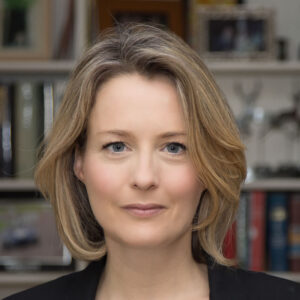
Dr Anna Machin
Anna is a doctor of evolutionary anthropology, a writer and broadcaster. She is world renowned for her work in the science and anthropology of close human relationships. She is unique in her approach to the study of human relations combining studies, techniques, and explanations from both the biological and social sciences. She spent over 12 years at the University of Oxford within the Social and Evolutionary Neuroscience Research Group (SENRG), led by Professor Robin Dunbar. Anna is passionate about public engagement in science. She has written two popular science books – Life of Dad (2018) and Why We Love (2022) – and has worked with broadcasters in the UK and abroad including the BBC, ABC in Australia, NPR and Hulu in the USA, Arte in France and ZDF in Germany. She has written for the New York Times, The Guardian, The Observer, The i and New Scientist magazine, among others. She is the presenter of the How We Are Wired podcast which is funded by The Bertarelli Foundation.
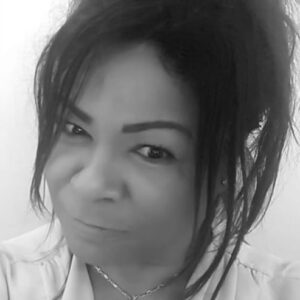
Maxine Leigh – Support for Survivors
Maxine is founder of the charity Support for Survivors based in Nottingham. She is a survivor of childhood sexual, physical, psychological, incest abuse and rape. Abused from the age of 8 until her escape at the age of 26. Witnessing domestic abuse as a three-year-old child by her father towards her mother. Also domestic abuse for two years from one partner to another partner of five years. Maxi-Leigh has turned despair into hope through an extraordinary career of helping and supporting people suffering the most abject pain.
Her work has taken her nationally and internationally and touched thousands of lives. She she has spoken at dozens of major events in aid of raising awareness of the traumas and the importance of “Responding Well to Victims and Survivors”. Speaking about her life story of child abuse and domestic abuse through her work. Support for Survivors supports male and female survivors aged 18 plus and their families who have experienced abuse.
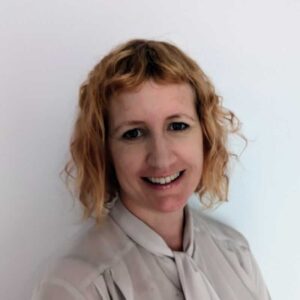
Lucy Duckworth – The Survivors Trust
Lucy began adult life as a primary school teacher, working with children with severe special educational needs. The lack of a trauma-informed approach for these children was eye-opening, so she began the journey of training in therapeutic care alongside charity work. Combined with her own lived experience, this led to prominent campaign work in the specialist sexual violence sector, chairing a small voluntary organisation which supported adult survivors of sexual abuse within faith institutions. Lucy completed an MSc in human development, with a published thesis on the effects of sexual trauma on the child. Working alongside colleagues from the sector, they advised senior ministers on the design of the Independent Inquiry into Childhood Sexual Abuse (IICSA) in the wake of Jimmy Savile abuse disclosures. Lucy then sat as a Victims and Survivors Consultative Panel member for the 8 years duration of the inquiry.
Lucy is passionate about reforming the way we view, respond and prevent all forms of sexual violence, especially for children of school age and for women throughout their maternity journey. As such she continues to work with various universities (Essex, Kings College, Anglia Ruskin) as a visiting lecturer or researcher to better understand the value of creating a more trauma-informed approach for frontline services. As London Training Manager at The Survivors Trust, Lucy manages the #CheckWithMeFirst programme, which runs workshops for NHS staff in working with survivors of sexual violence, as well as writing content for the charities other bespoke training modules, facilitating forums, delivering workshops, training sessions and sitting on several cross-sector advisory groups.
Duncan Craig OBE – We Are Survivors
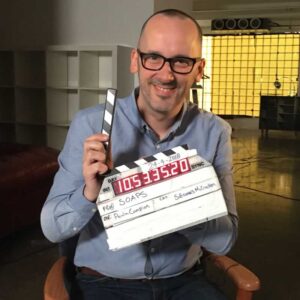
Duncan is the founder and Chief Executive of We Are Survivors, a voluntary sector organisation providing therapeutic and advocacy support to male (and trans and non-binary) victims/survivors of sexual abuse, rape and sexual exploitation. As a survivor of sexual abuse, rape and sexual exploitation himself, Duncan’s personal insight and his professional experience as a psychotherapist and charity leader, has led him to work closely and extensively with the Government, NHS, Crown Prosecution Service and various Police forces across the UK. He has advised on policy; been part of strategic response to a number of high profile sexual violence cases. Over the past decade, Duncan has been actively involved in the development of the UK Victim Strategy; the Strategic Direction for Sexual Assault and Abuse Services (SAAS); and was part of the working group developing the first ever Cross-Government Position Statement on Male Victims of Crimes Considered in the Cross-Government Strategy on Ending Violence Against Women and Girls (VAWG).
As a script consultant, TV, theatre productions and media advisor on numerous occasions; Eastenders, Crimewatch, BBC Documentary Truth About Child Sex Abuse; BBC News and others, Duncan has used these platforms to raise awareness of male victims of sexual violence. He has co-authored a number of articles in both the press and academic resources and worked internationally supporting the knowledge development of the government and key academics in the needs of sexually abused boys and men. In 2020 Duncan received an OBE from Her Majesty The Queen for services to Male Victims of Rape and Child Abuse. In 2022, he was awarded the Medal of Honor from Dame Nancy Rothwell for his work with male victims/survivors of sexual abuse and exploitation and in 2023 was designated Honorary Senior Research Fellow in the School of Criminology at the University of Manchester.
Sheetal Amin
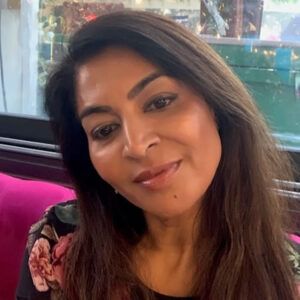
Sheetal Amin is a UKCP registered Integrative Arts Psychotherapist, Interpersonal Psychotherapist for adults and adolescents(IPTUK), Consultant, trainer and supervisor. She has previously held the position of chair for equality, diversity and inclusivity in The Child College within UKCP.
Sheetal has worked extensively with children, adolescents, adults, families and couples for over 20 years in various settings including schools, community projects, children and adolescent mental health services, adult mental health services, learning disabilities services and local authorities. Sheetal offers therapeutic services, consultancy, tailored training and supervision both to organisations and within private practice in London and countrywide.
Sheetal has a special interest in working with trauma, particularly developmental trauma, ongoing trauma, and children who have experienced displacement such as entering the care system, escaping their country of origin and adoption. Sheetal works with adolescents and adults who are experiencing severe to moderate depression in the context of life events. Sheetal is passionate about ensuring equal access to services for individuals and cultural groups who are deemed as ‘hard to reach’ and is committed to organisational and systemic change.