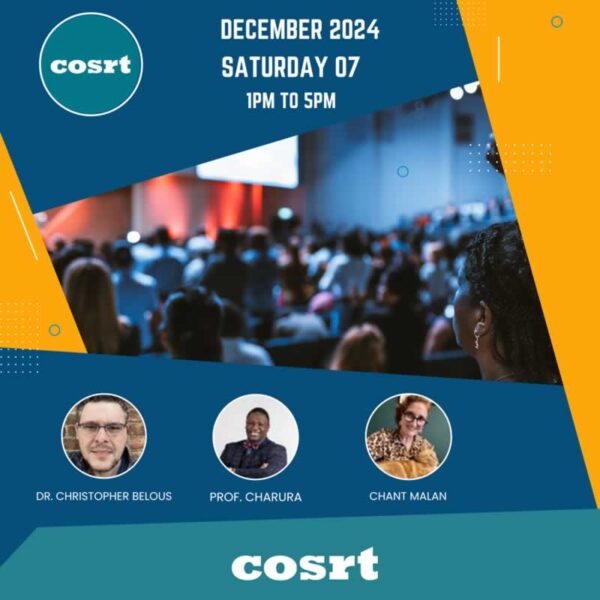
Our winter conference, held over two days, provided therapists with an opportunity to bridge the gap between research and therapeutic practice. It featured leading experts, peer engagement, and in-depth exploration of the evolving specialist modalities of Psychosexual and Relationship Therapies.
The conference delved into the latest research trends on topics such as Gender, Sex, and Relationship Diversity (GSRD), artificial intelligence and digital health, and relational considerations across different adult age groups. Sessions focused on translating research insights into practical therapeutic interventions and highlighted issues commonly encountered in clinical practice that require greater scholarly attention.
This recording provides a comprehensive exploration of the intersection between research and therapeutic practice. Access it now to gain invaluable insights and practical tools from leading experts in the field.
Day One – Contemporary Research Trends Related to Practice
Introduction to Contemporary Research and Its Implications for Therapists
Dr. Markie Twist
This session examined the challenges and opportunities in integrating research into practice. It highlighted evidence-based approaches, practical applications, and collaborative strategies to bridge the gap between theory and real-world implementation. Participants explored innovative solutions, resource utilisation, and knowledge-sharing to enhance the relevance and impact of research-informed practices in therapy.
Queer Youth and GSERD: Insights for Practice
Dr. Allen Mallory explored the growing identification with queer identities among younger generations and their diverse experiences. Key topics included:
- Health Disparities: Mental health, substance use, and sexual health challenges for queer youth, examined through frameworks like minority stress theory and intersectionality.
- Risk and Protective Factors: The role of policy, school environments, and family acceptance in shaping psychological and health outcomes.
- Interventions: The distinction between inclusive practices and tailored interventions for queer youth.
- Future Directions: Highlighting research gaps, particularly in understanding gender, sexuality, and topics like consensual non-monogamy.
How AI is Transforming Therapy: Research and Practice
Dr. Neil McArthur discussed the integration of social AI into relationships and therapy, focusing on:
- Impact on Clients: Exploring how clients form relationships with social AI and the opportunities and challenges these present.
- Integration into Therapy: Examining AI’s role in diagnosis and therapy, ethical concerns, and practical applications such as identifying mental health issues and enhancing therapeutic practices.
Emerging studies provided guidance on effective and ethical AI use in therapy.
Age, Intimacy, and Relationships: Implications for Therapy
Prof. Dr. Andreas Vossler presented on psychosexual therapy for older adults, addressing:
- Relevance: The impact of societal changes, loneliness, and relational needs in an ageing population.
- Challenges: Insights from the Intimacy and Ageing Well Project, highlighting barriers older adults face in intimacy and relationships.
- Available Interventions: A review of non-pharmaceutical interventions and their limited availability.
- Practical Application: Strategies for therapists to address unique challenges and improve service accessibility for older clients.
Day Two – From Research to Practice
Barriers and Opportunities for Research-Informed Practice
Dr. Markie Twist
This session explored barriers and opportunities for research-informed practice, focusing on bridging the gap between theory and application. It highlighted collaborative strategies, evidence-based approaches, and practical solutions to enhance relevance and impact. Participants discussed innovation, resource optimisation, and knowledge-sharing to advance the integration of research into real-world therapeutic practices.
Collaboration for Meaningful Research
Dr. Christopher K. Belous highlighted how therapists can actively engage with theory and research, emphasising:
- Research-Practice Integration: Bridging the gap between clinical practice and academic research by ensuring that research reflects real-world therapeutic settings.
- Evidence-Based Practice: Implementing evidence-based methods in therapy and how research supports this process.
- Collaboration Between Researchers and Clinicians: Encouraging partnerships to ground research in therapists’ practical realities.
- Impact on Therapy Outcomes: How translational research aligns with clinical practice to enhance interventions and client outcomes.
SPARK: Strategies for Practical Application of Research Knowledge
Prof. Dr. Divine Charura offered strategies for integrating research into therapy, focusing on:
- Intercultural Research: Practical applications across cultures to inform clinical practice.
- Trauma Research: Approaches like body mapping and their cross-cultural relevance.
- Systemic Interventions: Working with clients living with dementia.
- Routine Outcome Measures: A critical analysis of these tools and the potential of participant-driven evaluation methods.
- AI in Research: Leveraging AI to make research more accessible and relevant for therapists.
The Future Research Agenda
Chant Malan introduced a neurodiversity-affirming approach in therapy, emphasizing:
- Framework Application: Using sensory experiences and strengths-based strategies.
- Creativity and Playfulness: Incorporating these elements in work with neurodivergent clients.
- Client-Driven Research: Empowering clients to actively participate in the therapy process through research.
Speakers
Dr. Markie Twist
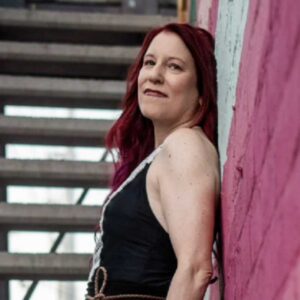
Dr Markie L. C. Twist holds senior positions at Antioch University – Graduate Student Research Chairperson and Director of Outcomes and Accreditation. She is also Session Instructor in the University of Guelph Professional Sexuality Practices Clinical Training Program. Dr Twist is Editor in Chief of the Journal of Sexual and Relationship Therapy and a COSRT Trustee.
Alongside her high profile academic work, Dr Twist brings great insight from her work as a specialist therapy practitioner. She is a is a registered member of the College of Sexual and Relationship Therapists (COSRT), a licensed marriage and family therapist (IA, NV) and mental health counselor (IA), as well as a clinical fellow and approved supervisor of the American Association for Marriage and Family Therapy (AAMFT), and certified sexuality educator and supervisor through the American Association for Sexuality Educators, Counselors, and Therapists (AASECT).
Dr. Allen Mallory
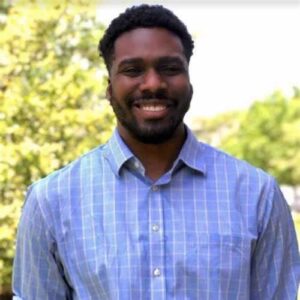
Dr. Allen Mallory is an Assistant Professor in the Department of Human Sciences in the program of Human Development and Family Science.
Allen received his Ph.D. from the University of Texas at Austin in Human Development and Family Sciences where he was also a trainee at the University of Texas Population Research Center. He earned his M.S. in Couple in Family Therapy from Kansas State University, and his B.A. in Psychology from Case Western Reserve University. Dr. Mallory’s research takes an intersectional approach to understanding the health and well-being of sexual and gender diverse youth and adults. He studies how health disparities related to substance use, mental health, and sexual health vary among sexual and gender diverse people and in comparison to heterosexual/cisgender people across multiple marginalized identities. He is also interested in how risk and protective factors tied to multiple identities, such as interpersonal stigma and structural inequality, intersect to affect the health and well-being of queer youth and adults.
*Psychosexual and Relationship Therapies, as overseen by COSRT, are specialist modalities designed for use with adults, not children. While COSRT acknowledges that understanding experiences from youth can contribute to enhancing therapies for adults, exploring relevant academic research in this area does not imply support for applying Psychosexual and Relationship Therapies to children
Dr. Neil McArthur
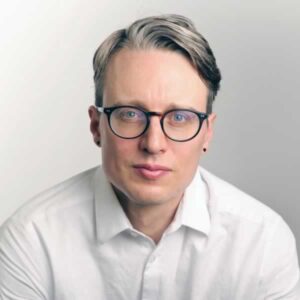
Dr. Neil McArthur is Director of the Centre for Professional and Applied Ethics and Professor of Philosophy at the University of Manitoba.
He is the author of The Ethics of Sex (Routledge, 2023) and co-editor, with Jon Danaher, of Robot Sex: Social and Ethical Issues (MIT Press, 2017). He has written for numerous media outlets including VICE, the Guardian, Fast Company, the Globe and Mail, and Time.
Dr. McArthur serves on the Editorial Board of Sexual and Relationship Therapy: International Perspectives on Theory, Research and Practice. His current research focuses on Artificial Intelligence, specifically on social AI and the use of AI for companionship and intimacy. In October 2023 Maclean’s Magazine named him one of Canada’s fourteen leading thinkers on AI.
Prof. (Dr.) Andreas Vossler.
Prof. Dr. Andreas Vossler is a Psychologist, family therapist, academic, researcher and trainer. He is a Professor of Psychology and Psychotherapy at the Open University where he is also the Deputy Director of Teaching (Counselling). As Chartered Psychologist and systemic couple and family psychotherapist he has a deep belief in the value of research for counselling and psychotherapy practice. He has been conducting research on family and couple counselling and intimate relationships for 20+ years and has experience in systematic reviews, qualitative research and developing training for professionals (in-person and online). He is a member of the Society for Psychotherapy Research (SPR, member of the UK Chapter Local Council) and the Research Committee of the Association for Family Therapy and Systemic Practice (AFT) in the UK.
He is the lead editor of Mad or Bad? A critical approach to Counselling and Forensic Psychology (2017) and The Counselling and Psychotherapy Research Handbook (2014), and co-editor of Understanding Mental Health and Counselling (2020) and Understanding Counselling and Psychotherapy (2010; all Sage books). He has authored two German textbooks and published numerous journal articles and chapters in edited books within the areas of psychotherapy research, health psychology, psychiatry and education. His current research interests include: intimate relationships, digital intimacies and online infidelity, therapist’s and clients’ experiences of online counselling, and sex and intimacy while aging.
Dr. Christopher K. Belous

Dr. Christopher K. Belous (he/him) is Associate Professor and Director for the Couple & Family Therapy Graduate Program at Purdue University Northwest.
He has been licensed as a Marriage and Family Therapist since 2009, in the states of Michigan. Dr. Belous is also certified as a Sex Educator and Sex Therapist with the American Association of Sex Educators, Counselors, and Therapists (AASECT), and is a Certified Family Life Educator from the National Council on Family Relations. Dr. Belous also serves on the Editorial Board and as the Clinical Review Editor of Sexual and Relationship Therapy: International Perspectives on Theory, Research and Practice.
Prof. (Dr.) Divine Charura.
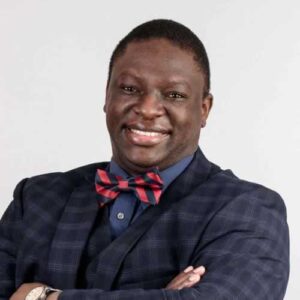
Professor (Dr) Divine Charura is a Professor of Counselling Psychology. Divine is a counselling psychologist, registered and licensed as a practitioner psychologist with the Health and Care Professions Council in England (UK).
Divine’s research interests are on the psychotraumatology and mental health in family and diverse community systems across the lifespan.
He has co-authored and edited numerous books. These include Love and Therapy: In relationship [co-edited with Stephen Paul] and with Professor Colin Lago co-edited Black Identities + White therapies: Race respect and diversity, (2021). His latest books are the Handbook of Social Justice in Psychological Therapies. Power, politics, change (co-edited with Dr Laura Winter in 2023) and Trauma Demystified (2024) (Co-edited with Dr Mark McFetridge and Dr Emma Bradshaw).
Chant Malan
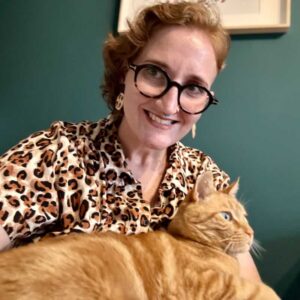
Chant Malan (they/them) is a clinical sexologist, counselling psychologist and the Gauteng Chairperson of the Southern African Sexual Health Association (SASHA). They have a special interest in queer sexual health and gender, sexual and relationship diversity.
Chant’s approach to therapy is intersectional, and they aim to create a safe, affirming and playful environment for a diverse spectrum of identities and life experiences.
Chant has a Masters in Counselling Psychology, a Masters in Political and International Studies, and a Diploma in Clinical Sexology and Relationship Therapy through the Contemporary Institute of Clinical Sexology in the UK.