This self-access class provides therapists with practical strategies for supporting queer youth, grounded in current research on Gender, Sexuality and Relationship Diversity (GSERD). With more young people identifying as queer, it is essential to understand both the challenges they face and the protective factors that can foster resilience and wellbeing.
Our expert speaker guides you through:
- Health Disparities: Explore the mental health, substance use, and sexual health disparities queer youth experience, framed through minority stress theory and intersectionality.
- Risk and Protective Factors: Examine the impact of policy, school environments, and family acceptance on wellbeing and psychological outcomes.
- Interventions: Understand the distinction between inclusive practices and tailored interventions, and how to design strategies that address the unique needs of queer youth.
- Future Directions: Identify key gaps in research around gender, sexuality, and consensual non-monogamy, and consider their implications for practice.
This session equips you with inclusive, evidence-based approaches to improve your work with queer youth and respond more confidently to the complexities they face.
This is an edited recording of Dr Allen Mallory’s live presentation at the 2024 COSRT Winter Conference.
About the Trainer
Dr. Allen Mallory
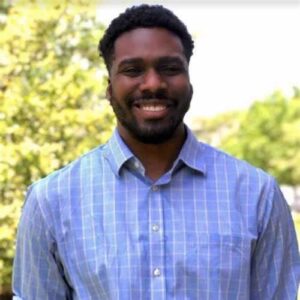
Dr. Allen Mallory is an Assistant Professor in the Department of Human Sciences in the program of Human Development and Family Science.
Allen received his Ph.D. from the University of Texas at Austin in Human Development and Family Sciences where he was also a trainee at the University of Texas Population Research Center. He earned his M.S. in Couple in Family Therapy from Kansas State University, and his B.A. in Psychology from Case Western Reserve University. Dr. Mallory’s research takes an intersectional approach to understanding the health and well-being of sexual and gender diverse youth and adults. He studies how health disparities related to substance use, mental health, and sexual health vary among sexual and gender diverse people and in comparison to heterosexual/cisgender people across multiple marginalized identities. He is also interested in how risk and protective factors tied to multiple identities, such as interpersonal stigma and structural inequality, intersect to affect the health and well-being of queer youth and adults.
*Psychosexual and Relationship Therapies, as overseen by COSRT, are specialist modalities designed for use with adults, not children. While COSRT acknowledges that understanding experiences from youth can contribute to enhancing therapies for adults, exploring relevant academic research in this area does not imply support for applying Psychosexual and Relationship Therapies to children