
This self-access class supports Psychosexual and Relationship Therapists to work effectively and ethically with an under-served population, older adults (aged 65 and over) experiencing intimacy challenges.
It explores the emotional, physical and sexual dimensions of intimacy in later life, unpacking the unique challenges faced by this population and introducing empirically supported approaches to support effective, confident practice.
Delivered through a series of expert-led videos, including narrated PowerPoint presentations and discussion segments, the course explores the emotional, physical and sexual dimensions of intimacy in later life. It highlights both the complexity of these experiences and the importance of supporting older adults to meet their intimacy needs.
Throughout the course, “Pause for Thought” moments and activities are included to encourage reflection and application to practice. Learners are encouraged to pause the videos to engage fully with these exercises.
Programme Structure
This self-access class is structured into three main sections, combining narrated presentations and discussion videos, alongside reflective activities to support application to practice.
Introduction
Section 1: Why Consider the Needs of Older Adults?
Part 1: An ageing population
Part 2: Importance of intimacy
Part 3: Practice implications
Part 4: Considering reflexivity
Section 2: Challenges to Intimacy in Later Life
Part 1: Relationship-based challenges
Part 2: Physical and health-related challenges
Part 3: Societal and attitudinal challenges
Part 4: Considerations for working with LGBTQ+ older adults
Section 3: Interventions for Older Adults with Intimacy Problems
Part 1: Pharmaceutical support and interventions
Part 2: Psychological intervention programmes
Part 3: Practical considerations for psychosexual therapy with older adults
Part 4: Case example discussion
Conclusion
Learning Outcomes
By the end of this self-access class, participants will be able to:
- Use case-based understanding to inform clinical decision-making
- Explain contemporary models of sexual desire, including spontaneous and responsive desire
- Identify and differentiate betwOn completion of this course, learners will:
- Understand the social importance of supporting older adults to meet their intimacy needs and the valuable contribution you as a COSRT therapist could make to supporting this population;
- Recognise the challenges facing older adults in having their intimacy needs met, considered how your existing knowledge and skills as a COSRT therapist equip you to meet those needs and identified potential knowledge and skills gaps;
- Have evaluated the applicability for your own practice of empirically supported approaches to supporting older adults experiencing intimacy problems, and identified potential knowledge and skills gaps;
- Be able to apply the learning to provided case examples and reflect on the implications for your ongoing practice and development as a COSRT therapist.
- The training programme comes out of a current research project that the authors are involved with on Intimacy and Ageing Well.
About the Trainers
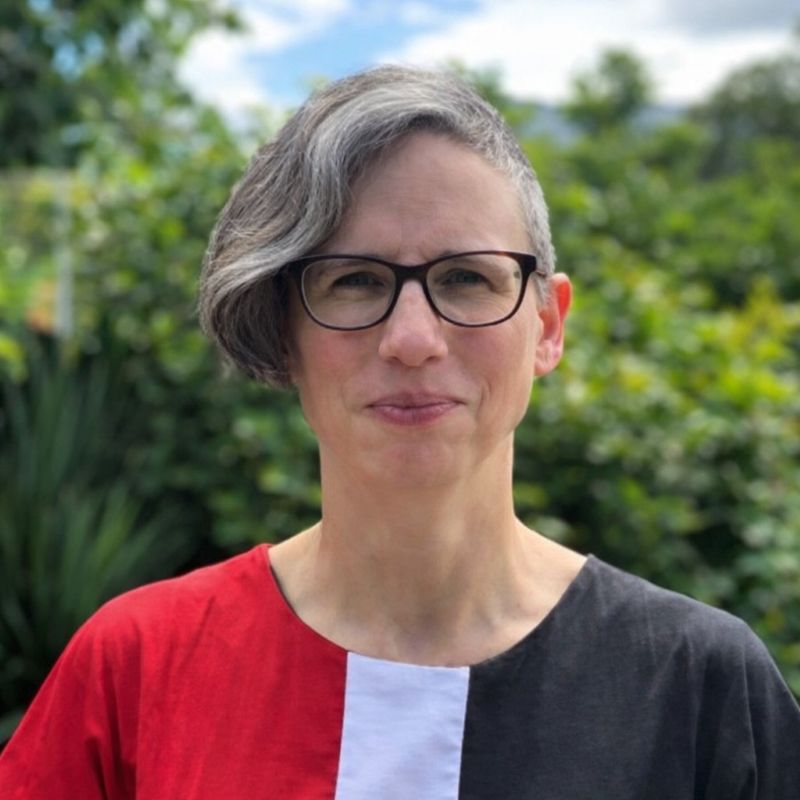
Rebecca Jones is Professor of Sociology, Sexuality and Ageing at The Open University, UK. Her research focuses on sexuality across the life course, ageing and especially sexuality in later life. She has particular expertise in LGBTQ issues in later life. In the current research project, Rebecca is involved in the analysis of interviews with older adults.

Andreas Vossler is Professor of Psychotherapy and Psychology at the Open University. He is a psychologist and systemically-trained family and couple therapist with a long history of researching relationships and relationship therapy. In the current research project, Andreas is leading a systematic review of the evidence base for working with older adults on intimacy issues.
.
.
No Photo Avaliable
Naomi Moller is Professor of Psychotherapy and Psychology at the Open University.
Naomi trained as a counselling psychologist, has a long history of working therapeutically with adults and researching relationships. In the current research project Naomi is involved with analysis of survey responses from older adults.