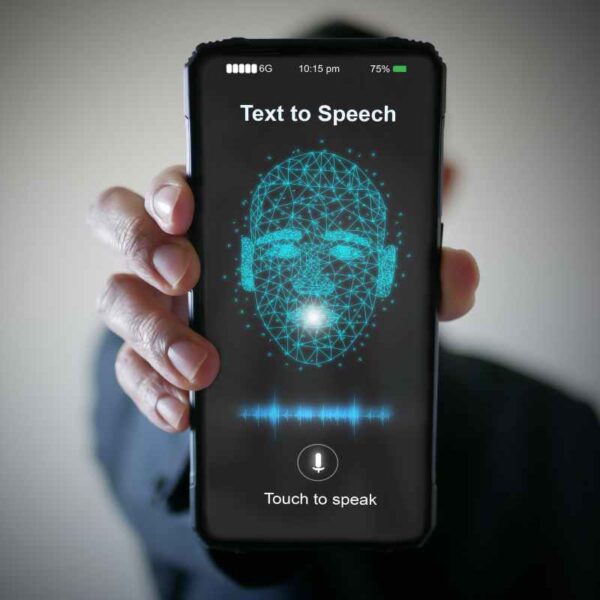
Artificial intelligence is becoming increasingly present in people’s personal and relational lives, influencing how they seek emotional support, navigate intimacy and understand their relationships. For psychosexual and relationship therapists, this raises important questions about attachment, therapeutic practice and the distinctive role of human connection.
This live online training explores how AI is changing the relational landscape, including the ways clients use AI for practical support, emotional connection, sexual exploration and relationship advice. It considers how the traditional therapeutic relationship between client and therapist may now be influenced by a third presence: AI.
Through anonymised clinical case studies, participants will examine different experiences of AI use. These include a client with ADHD whose use of AI assistants has improved his daily functioning and intimate relationship; a client who develops romantic feelings for an AI persona and begins comparing it with his human partner; and a client who compares psychosexual therapy with AI-generated therapeutic support.
These examples will provide opportunities to reflect on the potential benefits and challenges of AI attachment, including questions about fidelity, emotional dependency, relationship satisfaction and the differences between human and AI-supported interactions.
The session will also consider how established therapeutic theories may need to adapt to an increasingly AI-integrated world. Participants will be encouraged to examine their own assumptions about technology and consider how to respond thoughtfully when AI becomes part of a client’s intimate or therapeutic life.
The training aims to strengthen therapists’ confidence in working with AI-related relational issues while identifying the qualities of human therapeutic practice that remain especially valuable.
Class schedule:
Section 1 | AI and the changing therapeutic relationship
How AI is influencing clients’ lives, intimate relationships and the therapeutic relationship, including the presence of AI within the relational field.
Section 2 | Clinical case studies
Exploring AI as practical support, romantic attachment to AI personas and comparisons between human psychosexual therapy and AI therapy.
Section 3 | Rethinking therapeutic theories and human connection
Considering how AI challenges established therapeutic approaches, and identifying the processes and qualities that distinguish human therapy from AI-generated support.
Questions and discussion
Learning Outcomes
By the end of the session, participants will be able to:
- By the end of the session, participants will be able to:
- Reflect on how established therapeutic theories may need to adapt to the increasing presence of AI in clients’ lives.
- Understand how AI can influence the client–therapist relationship and the wider therapeutic process.
- Recognise and reflect on their own assumptions, attitudes and biases concerning AI and technology.
- Consider therapeutic approaches for working with clients who develop emotional or romantic attachments to AI personas, particularly in relation to sex, intimacy and relationships.
- Identify and strengthen the distinctly human qualities of therapeutic practice, including aspects of clinical work that may require greater or lesser emphasis.
About the Trainer
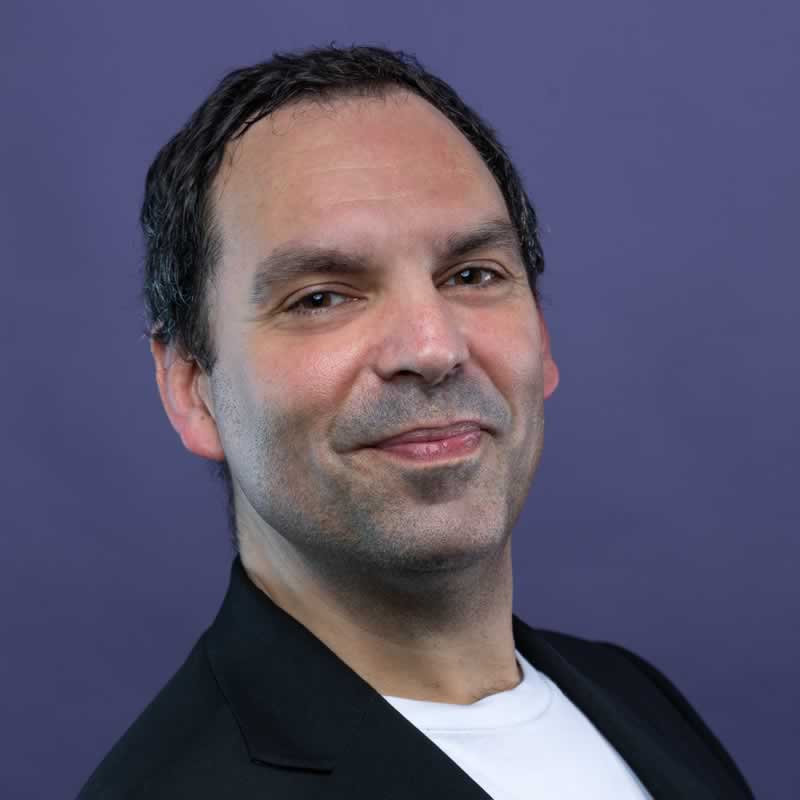
Silva Neves is a COSRT-accredited and UKCP-registered psychosexual and relationship psychotherapist, and a trauma psychotherapist.
He is a Pink Therapy Clinical Associate. Silva is a member of the editorial board for the leading international journal Sexual and Relationship Therapy.
Silva is the author of two books: Compulsive Sexual Behaviours, A Psycho-Sexual Treatment Guide for Clinicians (Routledge), Sexology: The Basics (Routledge), and he co-edited two textbooks with Dominic Davies: Erotically Queer (Routledge) and Relationally Queer (Routledge). He also contributed chapters in various publications including: The Handbook of Social Justice in Psychological Therapies, Queering Gestalt Therapy, The SAGE Handbook of Counselling & Psychotherapy, Sexual Minorities and Mental Health: Current perspectives and New Directions. Silva wrote several articles in psychotherapy magazines and journals, including New Psychotherapist, Therapy Today, Sexual and Relationship Therapy, The European Journal of Psychotherapy & Counselling, Attachment.
Silva was the recipient of the Sexual Freedom Ally Award in 2023.
He speaks internationally.
WEBSITE: silvaneves.co.uk