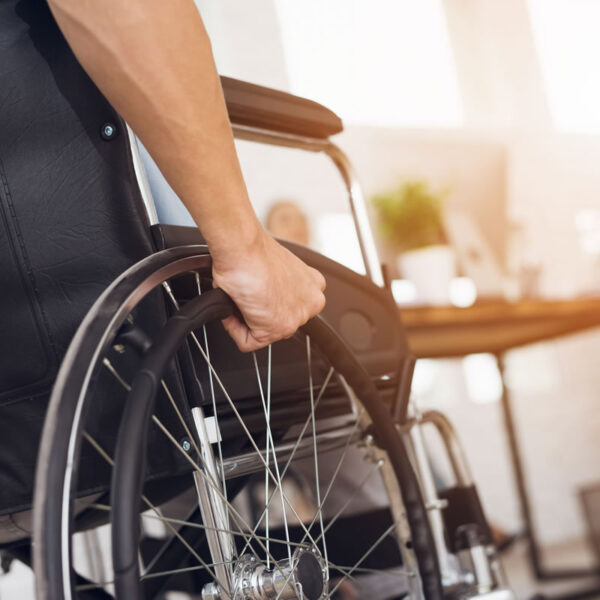
When service users have physical disabilities or limitations — such as spinal cord injuries (paraplegia, tetraplegia, Cauda Equina), multiple sclerosis, or the effects of a stroke — Psychosexual and Relationship Therapists may feel uncertain about their competence to help. Therapists often worry about not having enough specialist knowledge, while service users may fear that their experiences will not be fully understood.
This training addresses these concerns by giving therapists a deeper understanding of the realities and needs of people affected by physical impairments. Through case-informed insights and practical guidance, participants will gain strategies for adapting therapy in ways that are inclusive, sensitive, and empowering.
You will learn:
- Key questions to ask: How to frame helpful and respectful conversations with service users.
- Sexual impacts: The ways physical limitations can affect sexual function and intimacy.
- Adapting practice: Practical ways to modify therapy approaches to meet individual needs.
- Pain and sensation: Understanding how to support service users who experience altered or painful sensations.
By the end of the session, therapists will feel more confident in their ability to support service users with physical disabilities, creating therapeutic spaces where people feel understood, respected, and at ease.
This is an edited recording of Michelle Donald’s live presentation at the 2021 COSRT Autumn Conference.
About the presenter
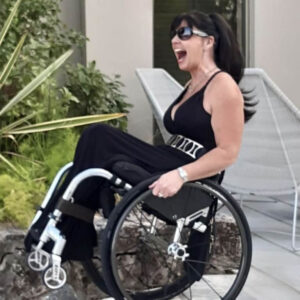
Michelle Donald (PG Dip PST) is an Accredited Psychosexual and Relationship Therapist.
Her expertise is in the areas of sexual issues related to spinal cord injury and the strains on a relationship that physical disabilities may bring with them. Her long-term aim is focused on the development of a comprehensive sexual education programme within rehabilitation centres and care agencies.
Michelle provides education and therapy programmes to patients and staff at The Sue Ryder Neurological Centre in Preston. She also works with The Spinal Injuries Association, training counsellors to feel confident in talking about sex.
Michelle Volunteers for The Back-Up Trust a Spinal Injuries Charity helping with putting together their online sexuality learning. And she works closely with Enhance the UK working to change societies view on disability.
Previously Michelle has worked at Stoke Mandeville for 9 years, Stanmore, Belfast Oswestry and Southport Spinal Injury Centres. She has taken part in research on women’s experiences of sexuality after SCI (November 2018 Spinal Cord journal) and was Co-Chair and founder of the Love Abilities Global Festival.