Culture and race play an extremely relevant role in therapy and can have a profound impact on an individual’s psychosexual and intimate relationships. The likelihood of a person seeking help, available treatments used by mental health professionals, and the outcome of treatment are greatly affected by cultural considerations.
Within an ever-increasing diverse society of many faiths and cultures, there can sometimes be a misunderstanding or lack of knowledge of subtle nuances that can affect how someone behaves within relationships. Although these identities may be accepted, therapists may hold assumptions or there will be considerations they aren’t always aware of.
In this conference we have expert speakers in the field discussing some of these key issues.
Conference Agenda
Myira Khan
Identity, Culture and Faith: Understanding and working with clients, identity and relationships.
- Introduce how we can understand identity and the relationship between culture and faith.
- Introduce how we can understand working with clients and their relationships in the context of culture and faith.
- Introduce the Working within Diversity Model, an anti-oppressive approach and practice in counselling, and its importance to understanding and working with identity, culture and relationships.
Eugene Ellis
Meeting the challenge of race in therapeutic practice
Psychotherapy and counselling is essentially about addressing psychological wounds and meeting distress. We interpret and make sense of destructive, disconnected and dis-inhibited behaviours and this understanding supports our compassion, connection and responsiveness. When it comes to race hurt and race distress however, clear thinking and compassion often give way to fear and confusion. To meet the challenge of working with race in therapy practice, we need to understand our unconscious re-enactments from our generational past, but where do we begin?
In this presentation we will be exploring what happens in our minds and also importantly in our bodies in the midst of the race conversation; to explore how a mindful approach to our physiological responses might support us as therapists in staying at the contact boundary.
Zayna Ratty
The intersectional prism of consciousness in psychotherapeutic practice
In this presentation Zayna will discuss how we centre historical origin stories, while inviting into our therapeutic spaces alternative narratives for those who sit outside of traditional societal structures. Key points include:
- Why the intersectional prism of race, ethnicity, gender, sexuality and relationship diversity inhabits individualistic not collective paradigms.
- Drawing upon the work of W. E. B Du Bois, this presentation will examine and expand the double consciousness model and its effect on intersectional diasporic identities
- Inviting in our responsiveness to intersectional identities, Afrofuturism, performative algorithms, age inappropriate psychological adultification, objectification, trauma of codeswitching and structurally embedded advantage.
Foluke Taylor
Mixed. Race. Relationship. And Other Names for What Cannot Be Said.
An internet search for ‘mixed-race relationships’ reveals an area of interest and curiosity for many. Researchers, government departments, conspiracy theorists and therapists are out there reporting trends and predictions and offering various targeted training and advice. This presentation explores this interest in how ‘race’ operates in relationships and asks what ‘mixed-race’ as a categorical assignment simultaneously makes visible and obscures? By seeking to know more about what we mean (and understand) when we speak of ‘mixed-race’ relationships, we are invited to think about how these understandings inform and impact therapeutic practice. The presentation will draw on Black feminisms (scholarship and praxis with a long history of navigating with, and in excess of ‘race’) – to reflect on some of the conversations that ‘mixed-race’ relationships point us toward and how they can support a more race-relational understanding of the therapeutic encounter.
Joel Simpson
Cultivating soulful healing spaces alongside Queer African Diasporan people
Colonial legacies overtly and covertly influence and underpin attitudes towards sexuality, race and culture. These legacies are often unnamed, insufficiently considered, and unprocessed within therapeutic relationships. How might power dynamics within the therapeutic alliance construct what becomes permissible and possible to attend to when therapists are working alongside queer African Diasporan people? How might healing potential, for therapists and queer African Diasporan people, be cultivated through soulful space?
Key Speakers
Myira Khan
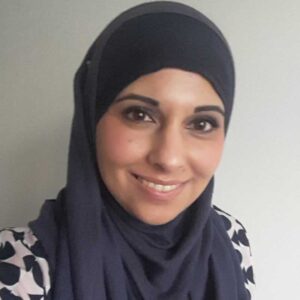
Myira is a multi-award-winning Accredited Counsellor, Supervisor, Coach and Counselling Tutor, and the Founder of the Muslim Counsellor and Psychotherapist Network (MCAPN).
Myira works in private practice, under her organisations ‘Myira Khan Counselling’ and ‘Grow to Glow’ and has over 12 years of clinical experience. Myira also delivers workshops and events internationally and is a regular speaker and facilitator at national conferences. As the Founder of the Muslim Counsellor and Psychotherapist Network (MCAPN), Myira runs the network for Muslim counsellors, therapists and psychologists, offering support, CPD opportunities and raising the visibility of Muslim practitioners. A visibly Muslim ethnically-minoritized practitioner, Myira represents a diversity within the therapeutic and coaching professions, promoting counselling and coaching to ethnically-minoritized, Muslim and under-represented marginalised communities and clients.
BACP Accredited Counsellor, Coach, Supervisor, Counselling Tutor and Workshop Trainer
Founder of the Muslim Counsellor and Psychotherapist Network (MCAPN) www.myirakhancounselling.co.uk
Eugene Ellis
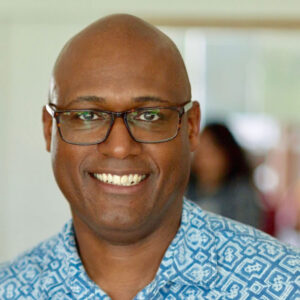
Eugene Ellis is a psychotherapist, writer and public speaker. He is also an Honorary Fellow of the United Kingdom Council for Psychotherapy. For many years, Eugene has worked with severely traumatised children and their families in the field of adoption and has a particular interest in body-orientated therapies and facilitating the healing of trauma.
Eugene is the founder and Director of The Black, African and Asian Therapy Network (BAATN), a network of therapists committed, passionate and actively engaged in addressing the psychological needs of Black, African and South Asian people in the UK. https://www.baatn.org.uk/find-a-psych-therapist/ He also facilitates dialogue around race and mental wellbeing. For more information about Eugene and his writing, visit https://www.eugeneellis.co.uk
Zayna Ratty

Intersectional Therapist & Consultant, Zayna is an LGBTQIA+, GSRD (Gender, Sex & Relationship Diversity), Non-monogamies, Race & Ethnicity Hypno-Psychotherapist, relationship coach, presenter, and trainer based in Oxfordshire, UK. A Pink Therapy GSRD aware trainer and DEI Officer at The National College of Hypnosis & Psychotherapy. Delivering training, mental health consultancy services to a wide variety of corporations, Zayna has over 1500 hours of client work and experience in her specialisms. She contributes her knowledge as a columnist to OxMag and Fyne Times and co-hosts the Beyond Monogamy with Zayna and Jonathan podcast. An advocate for raising awareness of marginalised groups within society, Zayna been nominated for the National Diversity Awards Positive Role Model (LGBT+)3 times.
Zayna’s charity, belonging consulting work and private therapeutic practice explore how race, ethnicity, neurodivergence, social stratification, gender, sexuality, and relationship diversity shine a light through the prism of intersecting identities.
Foluke Taylor
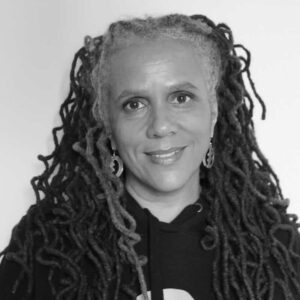
Foluke Taylor is a *therapist and writer (where the asterisk signals black feminist modes that create and hold open spaces for the emergence of the yet-to-be and for the therapeutics that call this into being).
She is the author of How the Hiding Seek (2018), an experiment in creative writing as intermediary for what might be conceived as separate – human and nature, us and them, mind and body, now and then, fiction and non-fiction. She spent several years doing some adult growing up in The Gambia before returning to live in the city of London where she was born.
Her forthcoming book, Unruly Therapeutic: Black Feminist Writings and Practices in Living Room, published by W.W. Norton, will be released in London and New York on February 28th 2023.
Joel Simpson
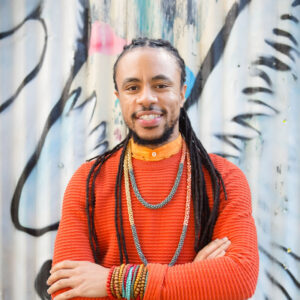
Joel Simpson is a psychotherapist, presenter, group facilitator, writer, trainer and a celebrant.