Couples may bring intense disagreement, frustration and conflict into the therapy room. This practical one-hour student session will explore how therapists can respond when couples argue during a session, while maintaining safety and therapeutic focus.
Using examples from practice, the session will consider how to recognise escalation, manage the immediate interaction and support partners to communicate more effectively. It will also explore how therapists can avoid becoming caught in the couple’s conflict, while remaining empathic and attentive to the needs of both partners. It is an opportunity for the therapist to self-reflect on their relationship with anger and high conflict and their level of comfort/ discomfort in these situations.
Learners will gain skills to adapt the standard couple’s therapy theories in managing arguments in conflicts with couples in the therapy room.
Class scedule:
- Introduction
- Therapist’s self-reflection: comfort/ discomfort with anger/ high conflicts.
- Specific interventions to work with couples who argue.
- Q&A
- Closing session.
Learning Outcomes
By the end of the session, participants will be able to:
- Recognise common patterns of escalation when couples argue in therapy.
- Identify ways to maintain safety, boundaries and therapeutic focus during conflict.
- Consider how to respond without taking sides or becoming drawn into the couple’s dynamic.
- Use practical strategies to slow down and manage heated exchanges.
- Support couples to communicate their underlying feelings, needs and perspectives more effectively.
- Reflect on when conflict may indicate wider concerns requiring further assessment, including coercion, control or relationship abuse.
- Therapists’ self-care and self-reflection.
About the Trainer
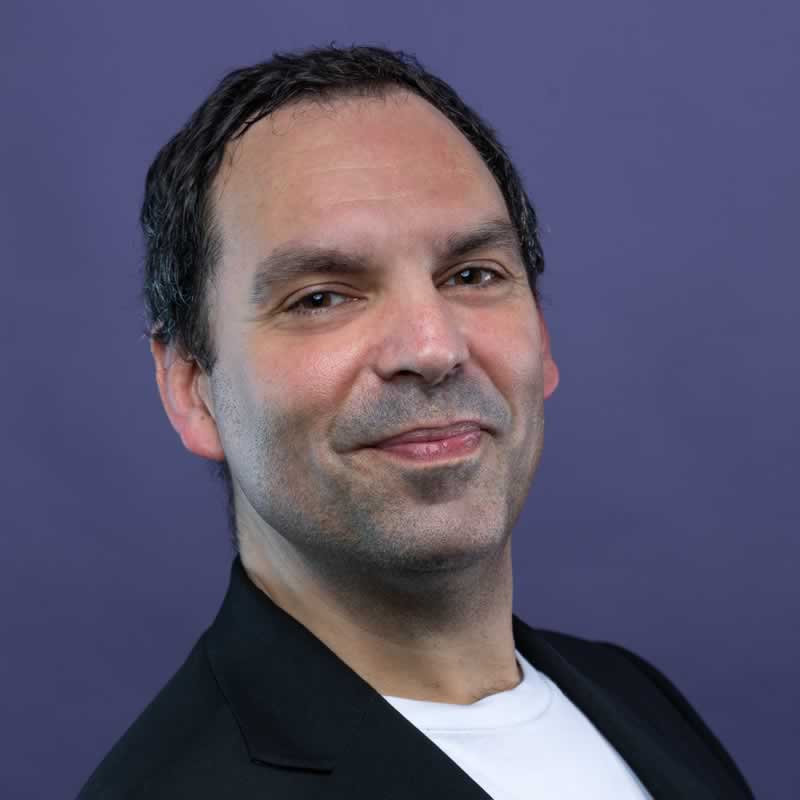
Silva Neves is a COSRT-accredited and UKCP-registered psychosexual and relationship psychotherapist, and a trauma psychotherapist.
He is a Pink Therapy Clinical Associate. Silva is a member of the editorial board for the leading international journal Sexual and Relationship Therapy.
Silva is the author of two books: Compulsive Sexual Behaviours, A Psycho-Sexual Treatment Guide for Clinicians (Routledge), Sexology: The Basics (Routledge), and he co-edited two textbooks with Dominic Davies: Erotically Queer (Routledge) and Relationally Queer (Routledge). He also contributed chapters in various publications including: The Handbook of Social Justice in Psychological Therapies, Queering Gestalt Therapy, The SAGE Handbook of Counselling & Psychotherapy, Sexual Minorities and Mental Health: Current perspectives and New Directions. Silva wrote several articles in psychotherapy magazines and journals, including New Psychotherapist, Therapy Today, Sexual and Relationship Therapy, The European Journal of Psychotherapy & Counselling, Attachment.
Silva was the recipient of the Sexual Freedom Ally Award in 2023.