
Infidelity is one of the most common reasons couples seek relationship therapy. Its impact can be profound, affecting emotional wellbeing, trust, self-esteem, intimacy and relationship stability. Therapists working with couples affected by affairs must navigate complex emotional and relational dynamics, often alongside questions of responsibility, power, gender and cultural expectations.
Although feminist therapy offers valuable perspectives on relationships and interpersonal dynamics, its application to working with infidelity has received relatively little attention in mainstream couples therapy approaches.
This three-hour live online training explores how feminist theory can inform assessment, case formulation and therapeutic interventions when working with couples affected by infidelity. Particular attention will be given to the influence of gender, power and dominant social discourses on how affairs are understood, experienced and addressed within relationships.
Drawing on her original doctoral research into best practices in feminist therapy with heterosexual cisgender couples affected by infidelity, Dr Elena Harris will introduce practical approaches for integrating feminist principles into clinical work.
Participants will explore how to establish an egalitarian therapeutic relationship, recognise gendered power dynamics, develop feminist-informed treatment goals and incorporate these perspectives alongside established couples therapy modalities.
The session will also consider how therapists can navigate differences between their own feminist values and those of their clients, respond sensitively to cultural expectations and evaluate therapeutic progress.
Through clinical examples, case discussion, breakout activities and opportunities for reflection, participants will develop practical ways of incorporating feminist perspectives into their existing therapeutic approaches.
This training is suitable for both experienced and early-career psychosexual and relationship therapists who wish to deepen their understanding of feminist therapy and its application to working with infidelity.
Session Outline:
9.00–9.15 am | Introduction and overview
- Welcome and participant introductions
- Reflection on existing approaches to working with infidelity
- Overview of the session and learning objectives
9.15–9.40 am | Understanding feminist therapy
- Core principles of feminist therapy
- Gender, power and dominant social discourses
- Establishing an egalitarian therapeutic relationship
- Discussion and reflection
9.40–10.25 am | Feminist assessment and case formulation
- Assessing infidelity through a feminist lens
- Recognising gendered expectations and power imbalances
- Feminist case conceptualisation and treatment planning
- Clinical case study and questions
10.25–10.40 am
Break
10.40–11.30 am | Feminist interventions and integration
- Applying feminist interventions when working with affairs
- Integrating feminist principles with established couples therapy approaches
- Breakout discussions exploring clinical application
- Group feedback and reflection
11.30 am–12.00 pm | Evaluating outcomes and navigating challenges
- Feminist approaches to evaluating therapeutic progress
- Reconciling differences between therapists’ and clients’ cultural values
- Contemporary challenges in feminist therapy practice
- Final questions and discussion
Learning Outcomes
By the end of the session, participants will be able to:
- Explain the core principles of feminist therapy and their relevance to couples affected by infidelity.
- Recognise how gender, power and dominant social discourses can influence experiences and understandings of infidelity.
- Develop an egalitarian therapeutic relationship that supports collaboration and shared decision-making.
- Apply feminist perspectives to assessment, case conceptualisation and treatment planning.
- Identify feminist-informed interventions for addressing relational dynamics following infidelity.
- Integrate feminist principles with other established couples therapy modalities.
- Consider how cultural values and differences between therapists and clients may influence therapeutic work.
- Evaluate therapeutic progress using feminist-informed approaches.
- Reflect on contemporary challenges and ethical considerations when applying feminist therapy in clinical practice.
About the Trainer
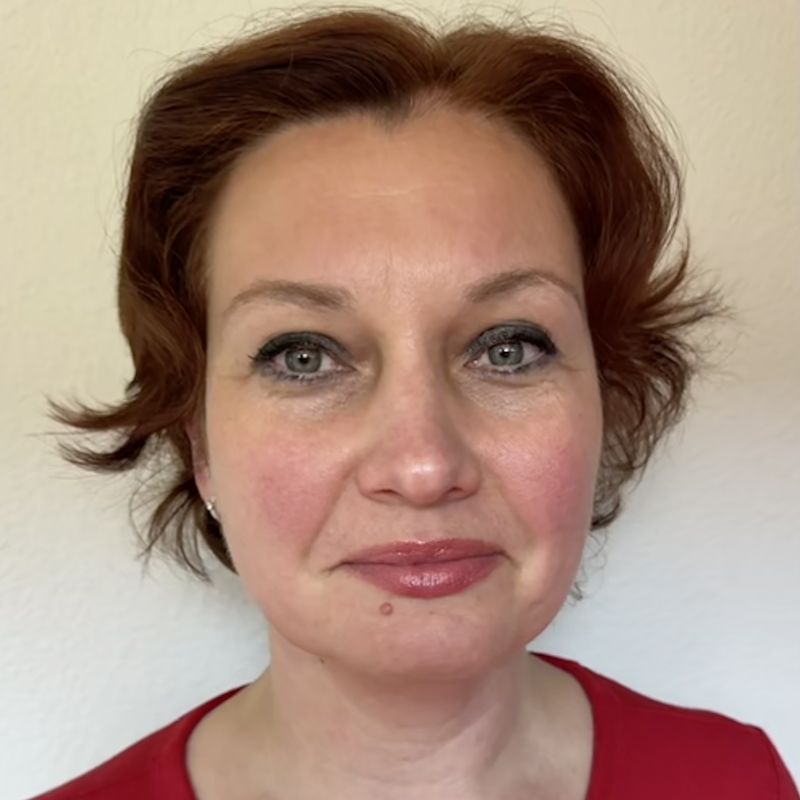
Dr Elena Harris, PhD
Dr Elena Harris is a psychotherapist in private practice, licensed as a Marriage and Family Therapist in California, USA. She holds an MA and a PhD in Marriage and Family Therapy from the California School of Professional Psychology at Alliant International University.
Dr Elena Harris, PhD has undertaken additional training in several couple therapy modalities, including the Gottman Method, Emotionally Focused Couple Therapy, and the narrative relational accountability approach.
Her current clinical and research interests focus on working with couples affected by infidelity. In 2024, she developed and presented a feminist contextual couple therapy workshop, “What Is Due and What Is Owed: Attending to the State of Justice in the Client’s World,” at the Alliant International University Couple and Family Therapy Conference in San Diego, California.
In 2026, she completed a qualitative research study exploring best practices in applying feminist therapy with couples affected by infidelity. Her findings were presented in a poster entitled “Towards Best Practices in Feminist Therapy with Heterosexual Cisgender Couples Affected by Infidelity” at the 3rd Convention of Asian Pacific American Feminist Psychology in San Diego, California.