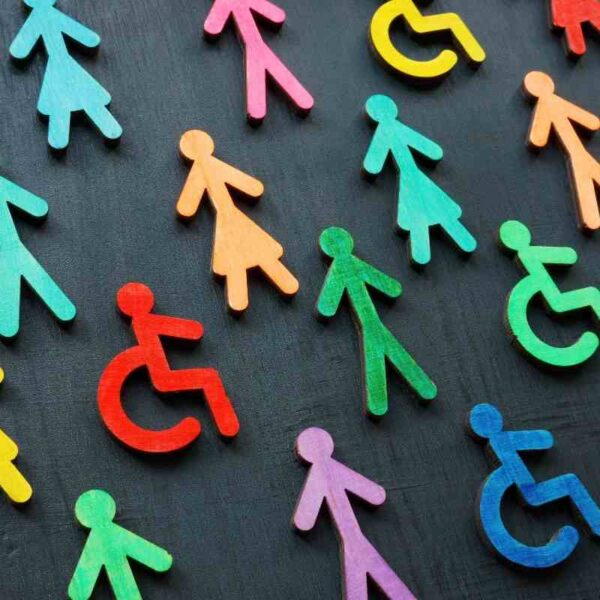
This self-access class explores equality, diversity and inclusion as an integral part of ethical and effective supervision. Designed for both new and experienced supervisors, it examines how culture, identity, difference, power and privilege shape relationships between the supervisor, supervisee and service user.
The class introduces reflective and systemic frameworks that can help supervisors recognise visible and less visible aspects of identity, explore what may be spoken or silenced within supervision, and respond thoughtfully to moments of discomfort, uncertainty or rupture. Participants will consider intersectionality, the Social Graces, ethical contracting and the responsible use of supervisory power, while developing greater reflexivity, cultural awareness and psychological safety within their practice.
These sessions are being developed as part of a wider pathway to supervision. At present, each self-access class can be purchased individually, either as professional development for those working towards supervision or as continuing professional development for existing supervisors. We will release further information about the pathway, including how the sessions fit together once the associated competencies and wider framework have been finalised.
Class Structure
- Equality, diversity and inclusion as an ethical dimension of supervision
- The importance of inclusive language and culturally responsive practice
- Ethical contracting, boundaries, confidentiality and expectations
- Visible and less visible identities, privilege and marginalisation
- Intersectionality and the Social Graces
- Understanding the supervisory triangle through an EDI lens
- Reflective supervision models and their application to cross-cultural work
- Power, authority and responsibility within supervision
- Supervisor self-reflection, reflexivity and continuing development
- Applied examples and structured reflection points
- A concluding reflective exercises
The class concludes with a 20-question multiple-choice assessment.
Learning Outcomes
By the end of this self-access class, participants will be able to:
- Critically explore equality, diversity and inclusion within supervisory practice
- Recognise how power, privilege and systemic factors can affect supervision, supervisee development and service user care
- Reflect on how the identities and cultural contexts of the supervisor, supervisee and service user interact within the supervisory triangle
- Apply reflective supervision models to EDI-related experiences, dilemmas, ruptures and uncertainty
- Identify how assumptions, bias, silence and avoidance may influence supervisory and therapeutic relationships
- Use ethical contracting and inclusive dialogue to support transparency, accountability and relational safety
- Develop culturally responsive supervisory practice grounded in humility, curiosity and reflexivity
- Use supervisory power ethically to promote learning, inclusion and psychological safety
About the Trainer

Professor (Dr) Divine Charura is a Professor of Counselling Psychology. Divine is a counselling psychologist, registered and licensed as a practitioner psychologist with the Health and Care Professions Council in England (UK).
Divine’s research interests are on the psychotraumatology and mental health in family and diverse community systems across the lifespan.
He has co-authored and edited numerous books. These include Love and Therapy: In relationship [co-edited with Stephen Paul] and with Professor Colin Lago co-edited Black Identities + White therapies: Race respect and diversity, (2021). His latest books are the Handbook of Social Justice in Psychological Therapies. Power, politics, change (co-edited with Dr Laura Winter in 2023) and Trauma Demystified (2024) (Co-edited with Dr Mark McFetridge and Dr Emma Bradshaw).