This training is in three parts.
Part one focuses on an introduction to erotic orientation and Kink/BDSM practices. In this part of the self-access the focus is on how for many people, particularly those of queer identities, backgrounds, and/or experiences, participation in BDSM activities can be closely linked with their experience of identity and community. Despite the prevalence of these practices, many psychosexual and relationship therapists still stigmatize and pathologize “kinky” erotic identities even if they espouse queer and trans-affirming attitudes. To help address such clinical gaps, in this presentation, an overview of the basic practices and rules of engagement affiliated with BDSM and kink activities is presented followed by a detailed overview of kink-affirming psychosexual and relationship therapy practices.
Objectives:
- Review an overview of basic practices and rules of engagement affiliated with Kink/BDSM practices.
- Introduce the concept of erotic orientation.
- Introduce and detail kink-affirming psychosexual and relational therapy clinical micro skills.
Part two focuses on making clinical distinctions between Kink/BDSM practices and non-suicidal self-injury (NSSI) practices. This part of the class opens with an overview of how individuals who engage in BDSM/kink-related intense sensation play and/or NSSI behaviours are often pathologized, misunderstood, and confused for being one in the same population of people in clinical settings. The focus then moves to addressing this knowledge gap in practice settings and closes with a review of clinical suggestions for psychosexual and relational therapists to access when working with clinical participants who engage in NSSI behaviour, as well as a brief review of kink-affirming psychosexual and relational therapy microskills.
Objectives:
- Review behaviours and motivations of people who engage in BDSM/Kink-related intense sensation play and/or those who engage in NSSI behaviours.
- Identify various characteristics including: personality, relational closeness, adverse childhood experiences and backgrounds of BDSM/Kink and/or NSSI practitioners.
- Discuss the ways psychosexual and relational therapists can meet the unique needs of NSSI practitioners and review the kink-affirming psychosexual and relational therapy micro skills.
The third and final part of the self-access–part three–focuses on clinical distinctions between Kink/BDSM practices and abuse. This final part of the master class begins with an overview of how individuals who engage in BDSM/kink-related behaviours are often pathologized, misunderstood, and confused for being one in the same population as people who experience sexual violence/abuse. To address this knowledge gap in practice settings, literature and research-based information is presented, including an outline of how to appropriately assess around the differences between consensual BDSM/kink activities and non-consensual sexual violence/abuse, and identify when clients are using BDSM/kink practices as helpful healing practices after trauma. The presentation concludes with a brief review of kink-affirming psychosexual and relational therapy micro-skills.
Objectives:
- Describe how to appropriately assess BDSM/Kink versus sexual violence/abuse in clinical practice.
- Learn how BDSM-kink practices may be helpful healing practices after trauma.
- Review the kink-affirming psychosexual and relational therapy micro skills.
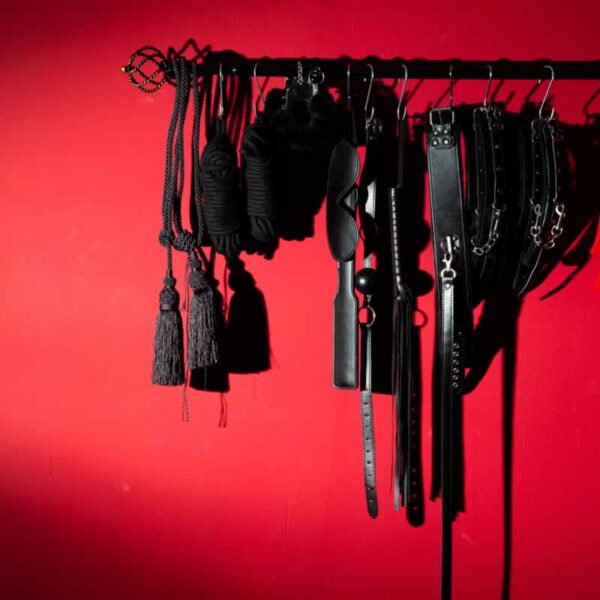
Please be aware that this training explores a range of issues directly related to BDSM and kink practice that some may consider sensitive. Some images used to illustrate points and the use of terms such as bestiality and sleep play may be challenging to some learners. These are used to highlight the real-life interests and behaviours of Service Users that therapists may encounter if they choose to operate in these issue areas. The use of such terms does not in any way indicate the condoning of any illegal behaviours by COSRT or the trainer delivering the class. Given the variety of issues raised within the class it is highly recommended that it is considered and watched as a whole to ensure full context and understanding.
About the Trainer
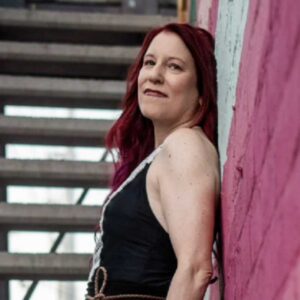
Dr Markie Louise Christianson (L. C.) Twist (dr/she/they), Ph.D. is an award-winning sexuality educator, sexologist, relationship therapist, author, and international speaker. They were born and raised in a small village on the road-system in the state of Alaska. They are Teaching Faculty in the Department of Applied Psychology in the Doctoral and Master of Arts Programs in Couple and Family Therapy at Antioch University New England. Dr Markie is also the Session Instructor in the University of Guelph Professional Sexuality Practices Clinical Training Program.
Dr Markie is a registered member of the College of Sexual and Relationship Therapists, a licensed marriage and family therapist and mental health counsellor, as well as a clinical fellow and approved supervisor of the American Association for Marriage and Family Therapy, and certified sexuality educator and supervisor through the American Association for Sexuality Educators, Counsellors, and Therapists.
Dr Markie is co-author of the books, The Internet Family: Technology in Couple and Family Relationships and Focused Genograms: Intergenerational Assessment of Individuals, Couples, and Families (2nd ed.).
Dr Markie also serves as the Editor-in-Chief of Sexual and Relationship Therapy: International Perspectives on Theory, Research and Practice and is co-editor of the book Eco-Informed Practice: Family Therapy in Age of Ecological Peril.