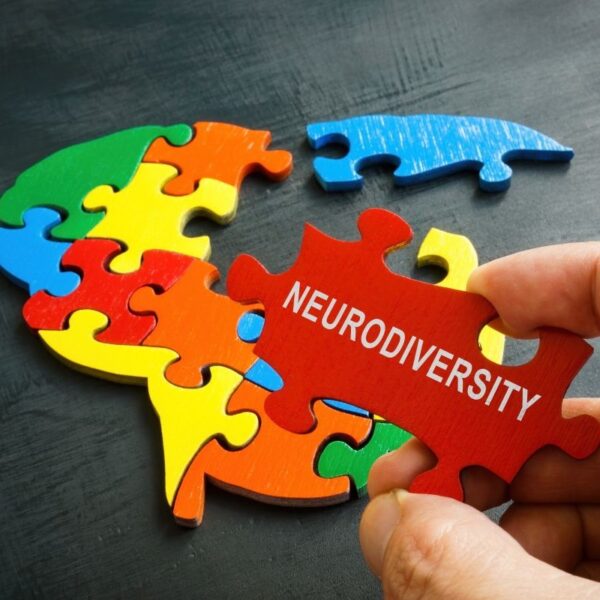
This self-access class explores how neurodivergence may shape the way supervisees process information, communicate, reflect and engage with supervision. Rather than focusing on diagnosis or deficit, it encourages supervisors to understand different cognitive styles and consider how their own assumptions about empathy, communication and reflective practice may create misunderstanding or misattunement.
The class considers how autism, ADHD, dyslexia, dyspraxia and other forms of neurodivergence may present within the supervisory relationship. This includes differences in attention, organisation, sensory processing, social communication, emotional expression and the time needed to process information. Participants are encouraged to recognise that reflection may be cognitive rather than emotional, delayed rather than immediate, or expressed differently from neurotypical expectations.
The class also explores practical ways to create safer and more accessible supervision. These include agreeing clear structures and expectations, using direct and specific communication, providing agendas and summaries, allowing additional processing time and adapting reflective questions. Finally, it introduces a strengths-based approach that recognises qualities such as attention to detail, pattern recognition, creativity, innovation and ethical consistency.
These sessions are being developed as part of a wider pathway to supervision. At present, each self-access class can be purchased individually, either as professional development for those working towards supervision or as continuing professional development for existing supervisors. We will release further information about the pathway, including how the sessions fit together once the associated competencies and wider framework have been finalised.
Class Structure
- An introduction to neurodiversity and its influence on the supervisory alliance.
- Reflection on supervisors’ expectations, biases and supervisory styles.
- How autism, ADHD and other cognitive differences may present in practice.
- Communication, sensory needs, executive functioning and emotional expression.
- The risks of misinterpreting difference as resistance, avoidance or a lack of empathy.
- Practical adaptations, including clear contracting, predictable agendas, concrete questions, summaries, additional processing time and strengths based collaboration.
The class concludes with a 20-question multiple-choice assessment.
Learning Outcomes
By the end of this class, participants will be able to:
- recognise how neurodivergence may present within supervision;
- reflect on assumptions and neurotypical expectations that may contribute to misattunement;
- consider how attention, sensory processing, communication and executive functioning may affect the supervisory process;
- adapt supervisory structures, expectations and communication to meet individual needs;
- support reflective practice across different cognitive and emotional processing styles;
- use clear, concrete and collaborative approaches to create greater safety and shared understanding;
- recognise the strengths, skills and perspectives neurodivergent practitioners may bring to their work; and
- develop a more inclusive, flexible and strengths-based approach to supervision.
About the Trainer

Simon Wilson is a COSRT-accredited Relationship and Psychosexual Therapist and UKCP, registered psychotherapist. He is also the Course Director and Lead Tutor for the COSRT-accredited Level 7 Diploma in Psychosexual Psychotherapy.
Simon has many years of clinical experience working with complex presentations across psychiatric and forensic settings, including a mentally disordered offender service (MENDOS) for Rethink Mental Illness, Probation Services, HMP Lewes and court-ordered rehabilitation requirement groups in community services.
He completed the STOPSO COFRA 121 programme as part of his clinical sexology training and his private practice includes treating clients presenting with sexual compulsivity and those who have crossed the line into problematic and illegal digital sexual behaviour.
He has full membership of British Society of Criminology and was a lecturer for the University of Hull BSc Psychology and Criminology programme.