Single session therapy is the provision of a therapeutic service in one rather than multiple sessions. It is a simple concept that is of growing importance and relevance. And there is much to consider to ensure maximum outcomes for service users. NHS waiting lists for mental health services are inaccessible for many, and extremely long for those able to join. Psychosexual and Relationship Therapy can be difficult to access outside the private sector, where barriers to access can include cost and capacity.
Single session therapy is not a direct replacement for full interventions. But it can help provide access to help for those in need. At times a single session can be used in isolation for assessment, follow up or holding sessions. And positive experiences of single sessions can act as a stepping stone to engaging in longer term therapy
This training considers who might benefit from single session therapy and how and when it can be best used.
Particular attention will be given to:
- How to offer a solution focused approach
- How to develop and use a hierarchy of need so that the most appropriate issue can be addressed
- The use of tools such as questionnaires, pre-session psychoeducation and post-session resourcing.
- What are the ways to use Service User feedback?
- How can a single session service be built?
Single session therapy is not a direct replacement for full interventions. But it can help provide access to help for those in need. At times a single session can be used in isolation for assessment, follow up or holding sessions. And positive experiences of single sessions can act as a stepping stone to engaging in longer term therapy.
This is a recording of the live seminar in February 2022.
About the Trainer
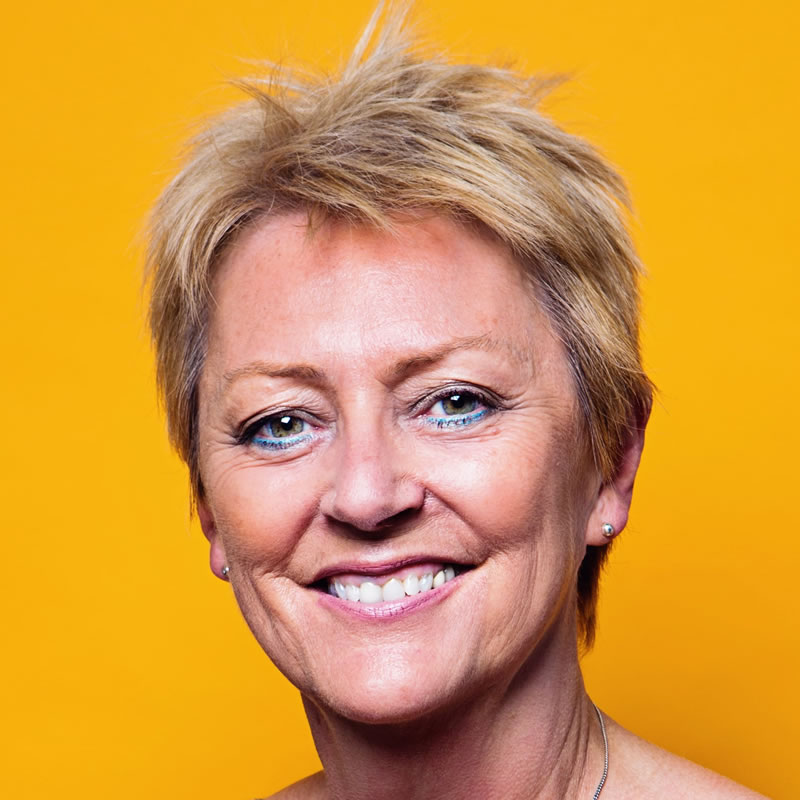
Cate Campbell is primarily a Psychosexual and Relationship Therapist working privately with individuals, couples and families. She is also supervisor, both in private practice and for agencies which have included Relate and Rape Crisis.
Cate is a lecturer with the Foundation for Counselling & Relationship Studies and previously with the Relate Institute. She taught CBT at Amersham & Wycombe College from 2010-2017 and is a visiting lecturer at University College London.
Her publications include The Relate Guide to Sex & Intimacy, Love & Sex in A New Relationship and Contemporary Sex Therapy (2020).